Fox Rent A Car Review 2026: Prices, Hidden Fees, and Real‑World Tips
Fox Rent A Car is a familiar name on flight booking pages and price comparison sites because it almost always shows up as one of the cheapest car rental options. When you scan through results and see a big price gap between major brands and a much lower quote from Fox, it’s tempting to click “Book now” and feel like you’ve scored a bargain. The reality on the ground, however, can be more complicated. Many travelers report smooth, problem‑free rentals, while others complain about aggressive insurance upselling, unexpected charges after returning the car, and long wait times at busy locations. Understanding how Fox operates—and what you’re signing up for—matters just as much as the daily rate you see on the screen.
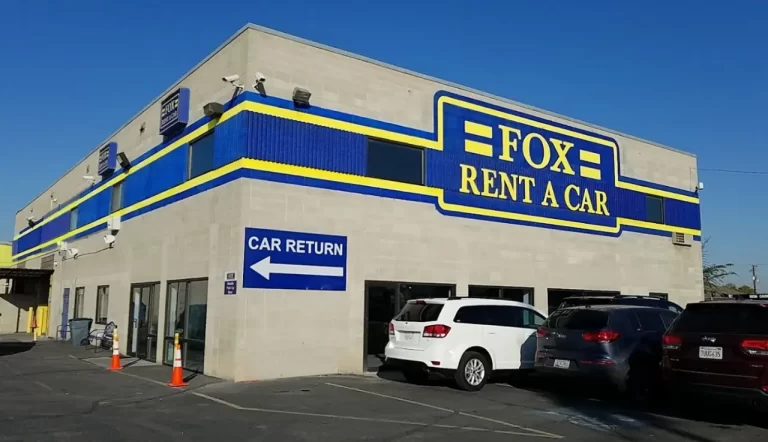
This review pulls together the most common themes found in user feedback, and then adds practical analysis and advice so you can decide whether booking with Fox Rent A Car is a smart move for your situation. Rather than simply repeating complaints, we look at why these issues happen, how much is industry standard versus brand‑specific, and what you can do to avoid the usual pitfalls that show up in negative reviews.
Core Technology & Background Analysis
Although car rental sounds straightforward—pay, pick up keys, drive away—the reality is that modern rental operations are built on a stack of systems, policies, and risk controls that directly shape your experience at providers like Fox Rent A Car. At the core is a yield‑management model similar to airlines and hotels: prices are adjusted dynamically based on demand, location, fleet utilization, and even booking channel. That’s why you might see Fox offering dramatically lower base rates than major brands at certain airports or dates—its pricing engine is deliberately undercutting competitors to capture price‑sensitive customers, with the expectation that additional revenue will come from insurance, upgrades, and fees. On the risk side, rental companies rely heavily on damage liability and insurance products to cover the gap between vehicle value and what customers can reasonably pay after an incident. When you decline collision damage waiver (CDW/LDW) at the counter, you are essentially telling the system that you will rely on external coverage (credit card, personal auto policy, or travel insurance), which increases the administrative and collection risk for the rental company. This is one reason agents are trained—sometimes too aggressively—to keep the in‑house coverage attached to the booking.
Payment and deposits are another critical layer. When Fox places a hold on your credit card, it is using the card network as a form of real‑time credit check and security; if you use a debit card, the system has less assurance that future charges can be collected, so locations tighten policies, demand more documentation, or even run additional checks. Behind the scenes, global distribution systems (GDS) and online travel agencies plug into Fox’s inventory and pricing APIs, which is why a “cheap daily rate” can look clean in the search interface but still be tied to complex local rules in the background. Taxes, airport facility charges, and mandatory surcharges are injected into your reservation by automated rules tied to each location. None of this complexity is unique to Fox—every rental brand runs similar infrastructure—but Fox’s low‑price positioning means you feel the friction more sharply if you aren’t prepared, because the margin for “absorbing” problems with exceptionally generous customer service is smaller. Understanding that you’re dealing with a tightly tuned revenue‑management and risk‑control machine helps explain why reading the location‑specific terms, confirming your insurance coverage, and understanding payment rules before you arrive at the counter is so essential with this provider.
Price, Fees, and Insurance: How Much Will You Really Pay?
The main reason travelers consider Fox Rent A Car is obvious: base rates can be significantly lower than what you see from Enterprise, Hertz, or Avis for the same vehicle class. At first glance this can look like an easy win—especially for week‑long rentals or busy airports where taxes and demand are high. But the total you actually pay is a combination of several components: base rate, government taxes, airport surcharges, rental company fees, and any optional products you add at the counter.
Taxes and airport fees are largely unavoidable. Every rental company operating at a given airport must collect local taxes, concession recovery fees, customer facility charges, and other government‑set items. In many US markets, this can easily add 20–40% to the basic rental price, regardless of which company you choose. Where Fox differs is not in the existence of these fees, but in how sensitive customers are to them—when a base rate is unusually low, the relative impact of taxes and fees feels larger and more surprising if you didn’t factor them in from the start. That’s why you should always compare total estimated cost, not just the headline daily price, when deciding whether Fox is a real bargain.
Optional products—especially insurance—are the biggest source of friction mentioned in customer reviews. Many renters arrive believing their credit card or personal auto policy already covers collision damage; they then encounter counter staff who strongly recommend in‑house collision damage waivers, liability supplements, and roadside assistance packages. In some regions, legal minimum coverage may indeed be inadequate, and agents are correct that additional protection is wise. In other cases, the line between reasonable risk explanation and fear‑driven upsell becomes blurred. The key is to know your coverage in advance: check your credit card’s rental car benefits, confirm whether your personal auto insurance extends to rentals and abroad, and review any travel insurance you’ve purchased that includes rental collision coverage. If you understand what you already have, you can calmly decline duplicate protection while purchasing only what truly fills a gap, instead of making a pressured decision at the desk with a line behind you. This preparation is the single best way to keep Fox’s final bill close to the low price that attracted you in the first place.
Deep Configuration Analysis: What Fox Is Really Offering
Thinking about a car rental like a “configuration” helps clarify what you actually get when you choose Fox Rent A Car instead of a legacy premium brand. You are not only choosing a vehicle class; you are accepting a certain service profile, risk posture, and time trade‑off in exchange for price. On the vehicle side, Fox’s fleet is generally adequate for most mainstream use cases: compact and midsize sedans that handle airport‑to‑hotel commuting, day trips, and city driving; SUVs for families and those traveling with more luggage; and vans in some markets for group travel. You should not expect the latest high‑end trim levels or luxury marques, but you can usually expect a functional, reasonably modern car. Where feedback diverges is around cosmetic condition and age. In many large airport locations, reviewers report clean cars with moderate mileage that feel indistinguishable from what they’ve received from more expensive brands. In lower‑volume or secondary locations, it is more common to see visible scratches, small dents, or interiors that show heavier wear.
From a “configuration” perspective, Fox optimizes for utilization: keeping cars out on the road rather than parked on a lot. This can mean higher average mileage and more cosmetic imperfections. It also means that at peak times, specific classes can run thin, leading to a higher chance of “or similar” substitutions or being steered toward an upsell when your reserved category is tight. If you are highly particular about the exact model and trim you drive, or you want the lowest‑mileage car possible, this is a mismatch; Fox is built for travelers whose primary requirement is “reliable transportation at the lowest price,” not those who treat the car as part of the luxury experience. On the service side, the configuration is clearly tuned for cost efficiency: smaller staff at busy periods, more reliance on self‑service kiosks or shuttle buses depending on the airport, and less redundancy when something goes wrong. That is why so many reviews mention long wait times at popular locations during morning and evening flight banks. If your schedule is rigid—say, you are a business traveler who must get from plane to meeting with minimal slack—this service configuration can be risky. But if you are on vacation, comfortable building in extra buffer time, and willing to trade a bit of waiting for significant savings, Fox’s overall offer becomes more compelling.
Risk allocation is another hidden part of the configuration. By entering a contract with strict language around fuel, damage, cleaning, and late returns, Fox ensures that small deviations from the rules generate fee revenue rather than discretionary forgiveness. That’s why renters who treat the contract casually—returning the car with the tank slightly under full, arriving late without checking grace periods, or failing to document pre‑existing damage—are far more likely to feel burned than with a more forgiving premium brand. If you are meticulous and procedural, this structure can work in your favor: you take photos at pickup and drop‑off, keep your fuel receipt from the nearest station to the return lot, and arrive on time. Under those conditions, Fox’s strict rules mostly remain theoretical, and you capture the upside of low pricing without suffering the downside of avoidable fees.
Branch Variability, Pick‑Up, and Return Experience
One of the most important patterns in Fox Rent A Car reviews is extreme location‑dependence. The overall brand rating can look mediocre, but when you zoom into specific branches, you often find a wide spread—from very positive to strongly negative. Large, heavily trafficked airport locations sometimes split this difference: they have enough volume to justify frequent fleet refresh and can offer genuinely attractive vehicles, yet the same volume creates long queues at peak hours, putting pressure on both staff and customers. Smaller or off‑airport locations may offer faster, more personal service but operate with tighter fleets, raising the likelihood of substitutions and upgrade pushes.
At pick‑up, your experience will depend heavily on timing and preparation. Arriving at a major hub location at 8 a.m. on a Monday with half the morning’s flights arriving at once is almost guaranteed to involve a wait, particularly at a budget‑oriented counter with limited staff like Fox. Arriving midday or late evening, with your driver’s license, credit card, insurance details, and reservation number all ready, often results in a much smoother interaction. Either way, the moment the keys are in your hand is the moment to slow down and perform your own quality check. Walk around the car methodically, photographing all four sides, wheels, and windows, then take a quick shot of the interior and the odometer/fuel gauge. If anything looks significant—scratches, dings, cracked trim—document it and, ideally, have it noted on the rental agreement before you leave. This simple routine, which takes just a few minutes, is the most effective way to defuse later arguments about “new” damage.
The return process is where strict policy meets tired traveler, and that is where many disputes arise. Fox, like most rental companies, enforces fuel, time, and condition clauses closely. If you return the car even slightly below the agreed fuel level, you may be billed for refueling at a premium per‑gallon rate. If you arrive beyond the grace period, you can be charged an extra hour or even a full extra day, depending on policy. If the interior is visibly dirty, contains pet hair, or smells of smoke, a cleaning fee is likely. None of these rules are unique to Fox, but low‑cost brands are less inclined to overlook them. To stay on the right side of this line, return with a bit of margin: fill the tank at a station close to the drop‑off, keep the receipt, remove all trash and obvious dirt from the cabin, and, if possible, be present while the agent does a quick walk‑around. If the staff simply wave you through without an immediate inspection, using your own final set of photos or a short video of the car parked in the return row further strengthens your position should a billing email arrive later.
Buying Guide: Who Should Choose Fox Rent A Car (and Who Shouldn’t)?
The real question most travelers care about is not whether Fox Rent A Car is “good” or “bad” in some absolute sense, but whether it fits their own risk tolerance, trip type, and budget. Fox is a rational choice for certain profiles and a poor fit for others.
You are a good candidate for Fox if you are price‑sensitive but experienced. That means you have rented cars before, understand how fuel, damage, and insurance clauses work, and are comfortable rejecting unnecessary add‑ons when you know your external coverage is sufficient. You don’t mind taking five to ten minutes to thoroughly document the car at pickup and drop‑off, and you can tolerate some waiting at the counter in exchange for meaningful dollar savings. For example, a family on vacation who would rather spend their budget on activities and dining than on a premium rental brand—but who have a strong credit card with rental coverage and are disciplined about time and documentation—can realistically extract excellent value from Fox.
You are a poor candidate for Fox if your highest priority is convenience and predictability. Business travelers on tight schedules, first‑time renters who are unfamiliar with insurance jargon, and anyone who feels significant anxiety about potential damage claims are likely better off with a more expensive but more forgiving brand. If you don’t want to think about reading fine print, disputing charges, or taking photos of the car, paying extra for a company with consistently higher customer service scores is almost certainly worth it.
Even if you decide Fox might be a fit, you should still vet the specific location you plan to use. Before you book, search for that branch on Google Maps or review sites and scan the most recent six months of comments, paying particular attention to three themes: wait times at the counter, handling of insurance upsells, and the frequency and nature of damage or fee disputes. If those reviews look mostly reasonable and the total price difference versus larger brands is substantial, Fox becomes a fairly defensible choice. If the branch you’re considering has a pattern of recurring horror stories and the savings are modest, this is probably not the place to gamble.
Frequently Asked Questions (FAQ)
1. Is Fox Rent A Car a legitimate and trustworthy company?
Yes. Fox Rent A Car is a real, established budget car rental brand operating at many US and some international locations. It is not a scam operation. However, its business model focuses on low base prices and strict enforcement of contract terms, so experiences can vary more sharply by branch than with some premium competitors.
2. Why is Fox Rent A Car so much cheaper than other companies?
Fox uses aggressive pricing to attract cost‑conscious renters and then expects to earn additional revenue via volume, optional insurance, upgrades, and fees related to fuel, time, and vehicle condition. The lower headline rate doesn’t automatically mean a worse product, but it does mean you need to be more proactive about understanding and managing add‑ons and rules to keep your final cost low.
3. Does Fox Rent A Car accept debit cards, and are there extra conditions?
Many Fox locations accept debit cards with restrictions, such as higher security deposits, proof of return travel, additional ID, or even credit checks. Some branches do not allow debit cards for certain car classes or for renters under a specific age. Always confirm the payment policy for your exact pickup location before you book, and, when possible, use a credit card to reduce friction and increase flexibility.
4. How can I avoid surprise fees when renting from Fox?
Read the rental agreement in full before signing, including fuel policy, mileage limits (if any), cleaning rules, and late return provisions. At pickup, photograph the car thoroughly and ensure any existing damage is noted. Return the vehicle on time, with a full tank and a reasonably clean interior, and keep your fuel receipt. If you ever need to dispute charges, written communication and photo evidence give you the best chance of a fair resolution.
5. Is Fox Rent A Car suitable for international rentals or first‑time travelers abroad?
Fox does operate in some international markets, often through partners, but reviews for these locations can be even more variable than in the US. For first‑time international renters—especially in destinations with complex insurance requirements or unfamiliar driving conditions—choosing a brand with consistently strong customer service and clearer English‑language support may be wiser. If you do use Fox abroad, be particularly careful to verify what coverage is legally required and what your existing policies and cards do or do not cover outside your home country.
Used thoughtfully, Fox Rent A Car can deliver genuinely low‑cost mobility without turning your trip into a headache—but only if you treat the rental process as a deliberate choice rather than a quick checkbox. If you recognize your own habits and risk tolerance in the profiles above, you can decide whether clicking that deceptively low Fox price is a smart optimization, or a false economy you’re better off avoiding.