Portraits & Photo Ideas
Best Jumping Poses for Dynamic Photos
Jumping poses create dynamic, energetic photographs that convey celebration, happiness, and achievement. Whether photographing couples, athletes, or families...
Jumping poses create dynamic, energetic photographs that convey celebration, happiness, and achievement. Whether photographing couples, athletes, or families, jumping poses bring movement and joy to your images.
Shooting jumping poses is technically challenging. Success requires careful planning, precise camera settings, proper safety, and clear subject direction. This guide shares essential techniques and six proven jumping poses.
Pre-Shoot Planning
Safety First
Before directing your subject to jump, assess your location's safety.
Landing Surface: The landing area must be flat, soft, and free from obstacles. Grass, sand, or gym mats are ideal.
Space Requirements: Ensure plenty of room for safe jumping. If photographing multiple people, they need ample space to avoid collisions.
Clear Communication: Discuss the jump technique with your subject and ensure they feel confident about safety.
Practice Makes Perfect
Have your subject practice jumping several times before shooting. This builds confidence, helps you gauge their height and timing, and synchronizes both of you.
The apex—the highest point where gravity is momentarily countered—is where your subject appears weightless. This is the moment to capture.
Essential Camera Settings
Shutter Speed
Minimum: 1/1000th of a second to freeze jumping action sharply.
Why: Motion blur is the primary cause of failed jump photographs. Fast shutter speeds freeze action.
Higher Speeds: In bright sunlight, use 1/2000 sec or faster.
Aperture
Recommended: f/2.8 to f/5.6
Why: Creates shallow depth of field, isolating your subject from the background for dramatic effect.
ISO
Target: As low as possible, ideally ISO 100
Why: Minimizes digital noise for cleaner, professional-looking images.
Focus Settings
Continuous Autofocus: Set to continuous autofocus (AF-C or AI Servo) to track your subject's movement.
Burst Mode: Use burst mode to capture multiple shots in rapid succession.
Six Proven Jumping Poses
1. The Vertical "Float"

The classic jumping pose. Direct your subject to jump straight up with legs together, body vertical, and arms raised. Variations include arms out to the side or an arched back.
Camera Position: Place camera on low tripod or ground, shooting upward.
Timing: Use countdown "3-2-1-Jump!" Hold shutter in burst mode. Frame to exaggerate height.
2. Tuck Jump
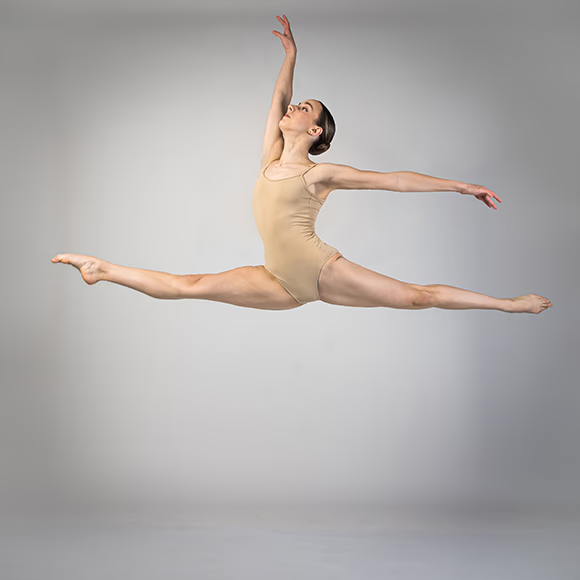
A compact, energetic pose borrowed from gymnastics. Your subject achieves the most compact shape possible, with knees pulled to chest.
Best Location: A trampoline provides consistent height and safe landing.
Capture Timing: Photograph at the tightest point of the knee tuck.
3. Starfish (Straddle Jump)
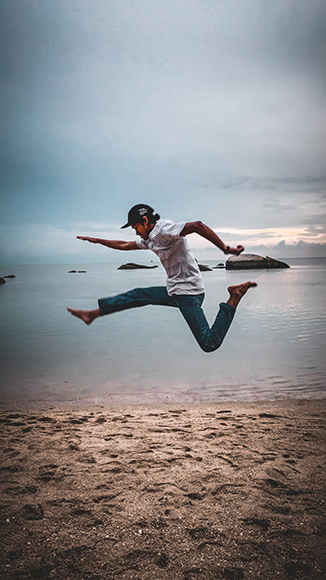
A classic pose conveying freedom and joy. Legs and arms spread as wide as possible, creating a large "X" shape.
Direction: Tell your subject to "jump up and out, pushing arms and legs away from your core."
Camera Angle: Low angle accentuates height. Eye level captures facial expression.
4. The Split Leap (Le Grand Jeté)
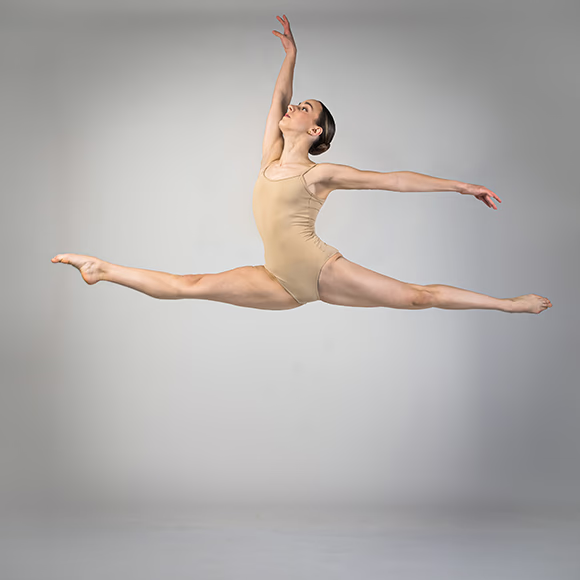
A classical ballet leap with maximum extension. Your subject leaps from one foot to the other, forming a 180-degree split in the air.
Requirements: Requires strength and flexibility.
Timing: Photograph at the mid-air apex to maximize leg extension.
Framing: Capture full body from head to toe.
5. The Heel Click
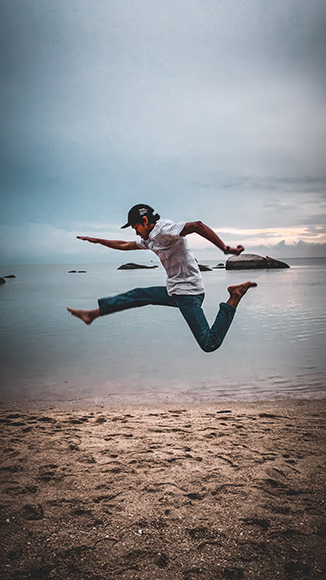
A joyful, celebratory pose. Your subject springs upward and quickly pulls feet together mid-air so heels click.
Timing: Precise timing captures the moment heels touch.
Camera Angle: Front view shows face and body. Behind the subject creates abstract composition.
6. Mid-Air Stride (Frozen Run)
A fun, comical pose reminiscent of cartoon characters running in place. Your subject runs toward a marker on the ground, taking a big stride as they leap.
Shutter Speed Options: Fast shutter (1/1000 sec+) freezes action. Slower shutter (around 1/400 sec) while tracking blurs background.
Emotion: Fun, playful, and energetic.
Tips for Great Jumping Shots
Prioritize Shutter Speed: Motion blur is the primary failure cause. 1/1000 sec is your baseline.
Master Catching the Peak: The apex is fleeting. Practice anticipating where that point is.
Low Is Best: Position camera below subject's waist, often near ground.
Focus Is Key: Use continuous autofocus so the camera remains focused as your subject moves.
Cues and Countdowns: Use clear cues and countdowns to synchronize with your subject.
Be Safe: Ensure landing area is safe, flat, and soft.
Use Burst Mode Liberally: Capture many frames in rapid succession.
Lighting Is Critical: Bright natural light allows fast shutter speeds and low ISO simultaneously.
Conclusion
Shooting jumping poses is technically challenging but incredibly rewarding. The dynamic energy, joy, and movement captured in these images make them memorable and engaging.
With proper planning, right camera settings, clear direction, and these six proven poses, you'll capture stunning mid-air shots. Remember to prioritize safety, practice with your subject beforehand, and use burst mode liberally.
The effort and planning required will pay dividends in final images. Your subjects will love the energy and joy captured, and you'll feel satisfied having executed a technically challenging shot with confidence and skill.
FAQ
What's the minimum shutter speed for jumping shots? 1/1000th of a second is the baseline for freezing jumping action sharply. Faster speeds (1/2000 sec or higher) provide even more insurance against motion blur.
Can I use slower shutter speed creatively? Yes, but only with intention. Around 1/400 sec, you can track your subject while shooting to blur the background and convey motion.
Do I need a professional camera? No. Modern smartphones and mirrorless cameras capture excellent jumping shots. Technique matters more than equipment.
What's the best location for jumping pose photography? Look for safe, flat, soft surfaces like grass, sand, or gym mats. Avoid concrete or uneven ground.
How many practice jumps should my subject do? At least 3-5 practice jumps before shooting. This builds confidence and ensures you're both synchronized and ready.