Portraits & Photo Ideas
Creative Jewelry Staging Ideas for Instagram & E-Commerce
Introduction E-commerce offers massive opportunities for photographers who can make products shine. This is especially true for jewelry, where capturing spar...
Introduction
E-commerce offers massive opportunities for photographers who can make products shine. This is especially true for jewelry, where capturing sparkle, detail, and desirability directly impacts sales. Getting creative with jewelry staging helps clients reach more viewers, sell more pieces, and for photographers, expands portfolios and business opportunities.
This guide covers seven creative jewelry staging ideas that work for Instagram, e-commerce websites, and professional jewelry catalogs.
Why Jewelry Staging Matters
The key to effective jewelry staging is examining each piece individually. Gold looks striking against black, but white backgrounds or sage green can carry more impact. Many jewelers believe the jewelry itself is sufficient for a great shot—but social platforms demand more. Followers want to see jewelry worn in everyday settings, making creative staging essential.
Seven Jewelry Staging Ideas
1. The Hand Focus
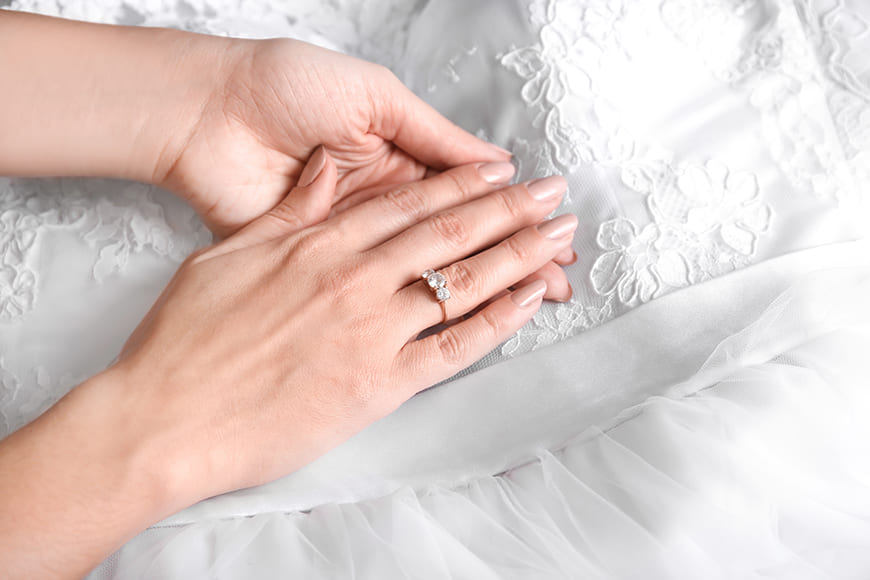
For rings, nothing beats a close-focus shot on a hand. Model choice matters—elegant fingers suit wedding rings; rugged hands suit statement pieces. Consider whether tattoos enhance or detract from the jewelry. The surface beneath matters too: white lace suggests weddings; weathered wood suggests utilitarian authenticity.
Have the model lay one hand on the other to lift the ring higher. Snap the model with their hand approaching their face—the illusion of motion creates dynamic, scroll-stopping shots.
2. The Clutched Pearls
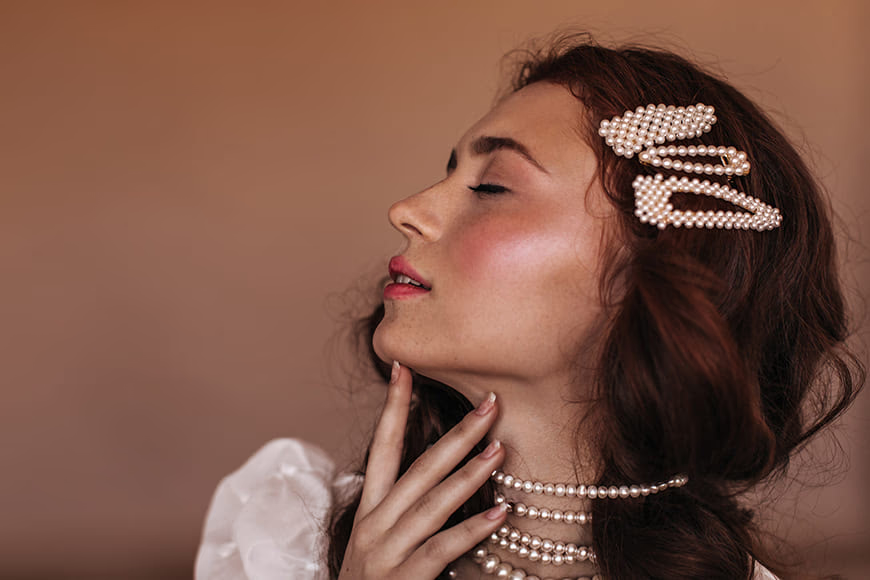
Someone touching or playing with a beaded necklace is inherently appealing. Jewelry should feel great as well as look great. Let your model guide you—they'll interact more naturally than if you dictate every movement.
Take a range of shots: close-ups of the hand touching the jewelry, and longer shots showing facial expressions. Match backgrounds to the client's branding. For outdoor shoots, leverage golden hour lighting for warmth and sparkle.
3. Using Reflections
A clever way to combine static and worn jewelry is with mirrors. Choose a mirror matching the jewelry style—gold-rimmed for gold rings, pearlescent for pearls. Set pieces around the mirror, then position the model so they're reflected wearing a key piece.
Play with angles and distance. Move the model closer for bracelet or ring detail, further away for full context. Elevate surfaces slightly with cushions or angled displays for better shooting angles.
4. The Artisan at Work
If your client makes their own jewelry, photograph them while they work. Behind-the-scenes content is hugely popular on Instagram and makes excellent website content for "About Us" pages.
Prep the craftsperson like a model—they should feel comfortable and look good. Consider keeping them in soft focus while the jewelry itself is sharp. Capture concentration rather than beaming smiles. Show different techniques, pieces, and angles, plus commerce shots like filling display cabinets.
5. The Gift-Giving Shot
Showing jewelry being given as a gift is one of the most impactful staging concepts. Necklaces, rings, bracelets, and earrings are classic gifts. Use two models for different scenarios:
- Romantic partners exchanging gifts
- Children giving Mother's or Father's Day presents
- Grandparents receiving gifts from grandkids
- Best friends exchanging charm bracelets
Frame both parties and the jewelry. For smaller pieces, just hands in frame can be sufficient. Mix long shots showing the joyful scene with close-ups showcasing sparkle and detail.
6. Nestled and Cozy
Some of the best staging shots have no model at all. Nestle earrings and necklaces in suitable fabric where the jewelry is the undisputed star.
Color considerations: White pearls on soft pink or butter yellow are more eye-catching than harsh black backgrounds. Gold shines on white cotton or lace. Silver comes alive against eggshell blue or lilac. Avoid stiff fabrics; create rumpled, cozy nests where jewelry looks "at home."
7. The #GRWM Shot
The "Get Ready With Me" trend dominates Instagram and TikTok. Photograph your model putting jewelry on—snapping an earring being placed, or someone fastening a necklace clasp. Focus on the jewelry with the model in slightly soft focus.
Create "before and after" sequences: no jewelry, just the necklace, add earrings, then bracelets. These everyday moments appeal to social followers and show the real-life benefits of each piece.
Tips for Successful Jewelry Photoshoots
- Discuss the client's needs beforehand—volume, specific pieces, and shooting location
- Review the jeweler's existing website and brand colors to prepare appropriate props
- Ask clients to bring multiples of each piece for comparison shots
- Use spotlights to create sparkle in gemstones like diamonds and emeralds
- Incorporate props from the jeweler's own space—ornaments, furniture, display items
- Take a mix of on-model and on-display shots for diverse usage
- Consider seasonal themes—red and gold for Christmas, sandy tones for summer
- Above all, ensure the jewelry itself is the hero of every shot
Conclusion
Creative jewelry staging transforms ordinary product photography into compelling visual storytelling. By combining model shots, lifestyle contexts, and beautiful display arrangements, you'll create images that sell jewelry effectively on Instagram and e-commerce platforms. Experiment with color, light, and composition to capture the sparkle and essence of each piece.
FAQ
What background colors work best for jewelry photography? White, soft pastels, and dark velvets work well depending on the piece. Gold against black or dark purple is classic; silver against eggshell blue or lilac creates subtle elegance. White pearls look stunning on soft pink or butter yellow.
Should I use models for jewelry photography? Yes, for social media and lifestyle shots. Models help customers visualize how pieces look when worn. For e-commerce product pages, include both model shots and clean product-only images.
How do I capture sparkle in jewelry photos? Use spotlights or directed light sources to create reflections in gemstones and metal surfaces. Shoot at angles that catch the light. A macro lens helps capture fine detail and sparkle.
Do I need special equipment for jewelry photography? A macro lens is highly recommended for detailed close-ups. A tripod ensures sharp images. Spotlights or LED panels provide controlled lighting. Fabric backdrops and props complete the staging.
What's the best time of day for outdoor jewelry shoots? Golden hour—the hour after sunrise or before sunset—provides warm, flattering light that adds sparkle and warmth to jewelry images.