Fashion & Style
From the LES to Silver Lake: 7 Summer Micro-Trends Gen Z It Girls Are Wearing Right Now
Fashion trends used to move slowly — a handful of silhouettes, colors, and aesthetics that defined entire seasons. That model has been completely upended. To...
Fashion trends used to move slowly — a handful of silhouettes, colors, and aesthetics that defined entire seasons. That model has been completely upended. Today, what matters are micro-trends: smaller, faster-moving waves of style that feel more personal, more specific, and more accessible than the old seasonal cycle ever allowed. And no generation has embraced micro-trends quite like Gen Z.
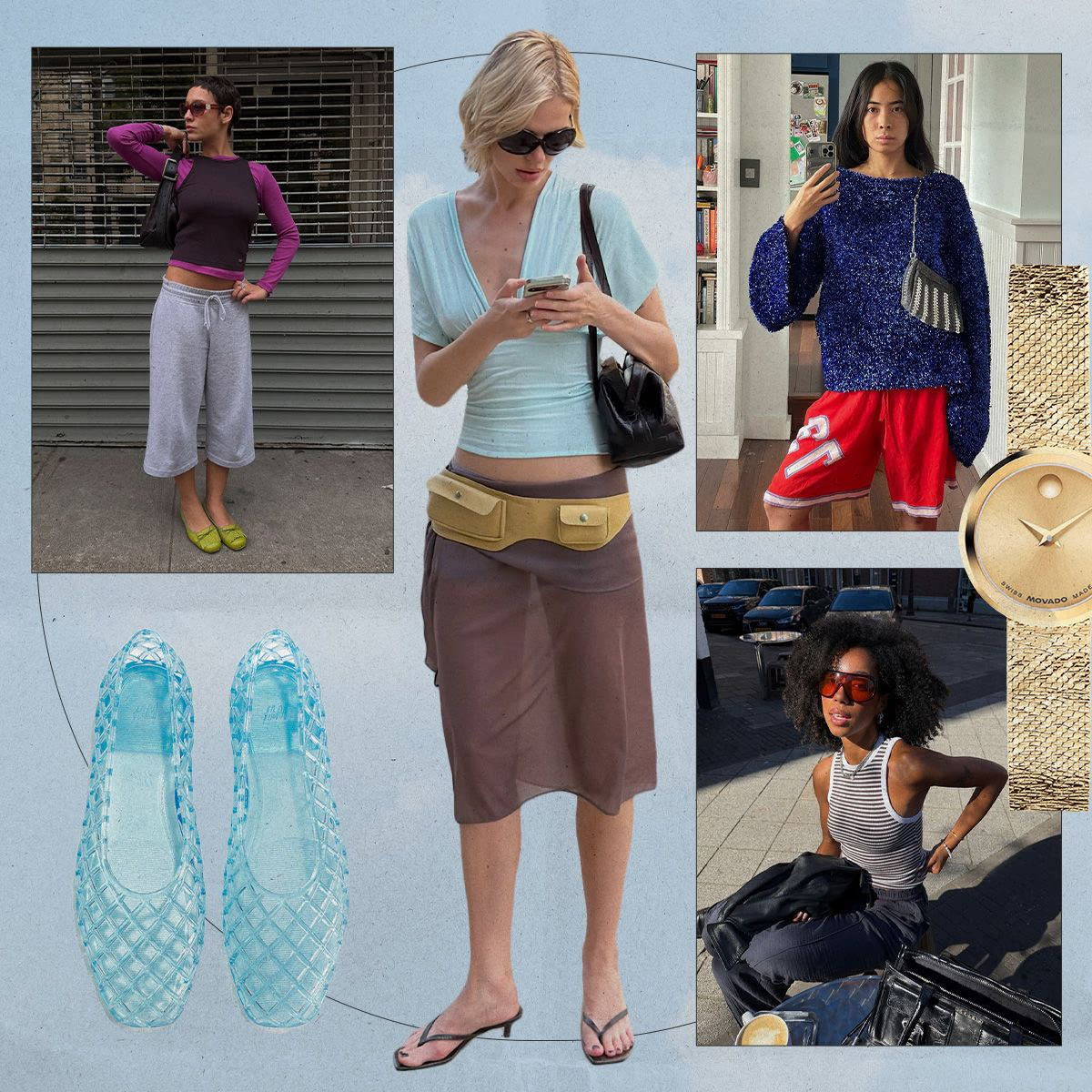
From the Lower East Side in Manhattan to Silver Lake in Los Angeles, the summer 2026 fashion conversation is being driven by seven specific micro-trends. Spotted at cultural hubs like Le Dive and amplified across social platforms, these aren't just fleeting TikTok moments — they represent a genuine shift in how young consumers engage with and define fashion.
Why Micro-Trends Matter Now More Than Full-Blown Trend Cycles
The appeal of micro-trends is simple: they're digestible, affordable, and personal. Unlike the sweeping seasonal dictates of traditional fashion — "this is the color, this is the hemline" — micro-trends invite consumers to pick and choose. You can engage with one, ignore another, and combine several in ways that feel unique to you.
For Gen Z in particular, this approach aligns with a broader desire for self-expression over conformity. The generation that grew up curating identities across multiple digital platforms instinctively understands that fashion isn't about following rules — it's about telling a story. Micro-trends provide a flexible vocabulary for that storytelling, with new words being added constantly.
There's also a sustainability angle here that's worth taking seriously. Micro-trends, by their nature, encourage smaller, more intentional purchases rather than seasonal wardrobe overhauls. A single piece — a specific accessory, a key silhouette — can update an existing wardrobe without requiring a full refresh. For a generation acutely aware of fashion's environmental impact, this more modular approach to dressing is both practical and principled.
The 7 Micro-Trends Defining Summer 2026
While the specific items rotate quickly, the categories of micro-trends gaining traction this summer are clear:
1. Whimsical Accessories Unexpected, slightly eccentric accessories are having a major moment — think charm-laden necklaces, playful hair clips, mismatched earrings, and statement brooches. These pieces are typically affordable, easy to experiment with, and capable of completely transforming a basic outfit. The key is to wear them with confidence, not irony.
2. Reimagined Silhouettes Classic garment categories are being remixed in interesting ways. Oversized proportions on traditionally fitted pieces, unusual hemline treatments, and asymmetrical cuts are all showing up regularly. The direction is toward pieces that feel familiar but look subtly unexpected.
3. Sheer Layering Sheer fabrics worn as intentional layering pieces — a sheer top over a camisole, a transparent skirt over shorts, a translucent jacket over a simple dress — create depth and visual interest without adding bulk. This is especially practical in summer, where heavy layering is uncomfortable.
4. Elevated Utility Functional pieces with elevated design details — cargo pants in unexpected fabrics, tailored utility vests, structured bags with workwear inspiration — bring a practical edge to otherwise polished looks. The utilitarian aesthetic resonates particularly well with Gen Z's preference for fashion that feels genuine rather than performative.
5. Vintage-Inspired Graphics Band tees, retro sportswear logos, and archival brand graphics continue to dominate. What's different in 2026 is the styling — these pieces are being mixed with more elevated items rather than treated as purely casual, creating interesting high-low combinations.
6. Bold Color Blocking Solid, saturated colors paired together in unexpected combinations — orange and pink, electric blue and lime, red and violet — are replacing the monochrome minimalism of recent seasons. The approach is maximalist but controlled: limited palettes executed with conviction.
7. Community-Driven Style This is less a specific aesthetic and more a meta-trend: the influence of digital communities — Discord servers, Substack newsletters, niche Instagram accounts — on what people actually wear. Styles emerge from conversations and shared tastes rather than being handed down by editors and buyers. This democratization of trend-setting is arguably the most significant shift in how fashion culture operates.
The Role of Physical Spaces in Digital Fashion Culture
A key insight driving these micro-trends is the renewed importance of physical gathering spaces. Le Dive, the Lower East Side bar that's become a kind of unofficial runway for downtown fashion, exemplifies this. In an era where trends can theoretically spread entirely online, the most influential ones are still being born in real-world spaces where people dress for each other, not just for content.
This reflects a broader truth about Gen Z fashion culture: it's deeply communal. Digital platforms amplify trends, but the trends themselves often originate in physical communities where style is a genuine form of communication and belonging. The store, the bar, the gallery opening — these remain the proving grounds for what actually works.
Practical Tips for Engaging With Micro-Trends
- Pick one or two, not all seven. Micro-trends work best in moderation. Choose the ones that genuinely excite you and ignore the rest.
- Shop affordably and intentionally. The speed of micro-trends means you shouldn't invest heavily in any single piece. Thrift stores, vintage shops, and affordable retailers are ideal sources.
- Integrate, don't overhaul. A micro-trend piece should work with what you already own. If it requires a full new wardrobe to make sense, it's probably not the right micro-trend for you.
- Trust your taste over the algorithm. Not every trending item will suit your personal style, and that's fine. The whole point of micro-trends is that you get to choose.
- Document and share. Part of Gen Z's engagement with fashion is communal. Sharing what you're wearing, why you chose it, and how you styled it creates the kind of dialogue that micro-trends thrive on.
Conclusion
The seven micro-trends defining summer 2026 represent more than a list of things to buy — they reflect a fundamentally different way of engaging with fashion. Smaller, faster, more personal, and more community-driven, micro-trends put the power back in the hands of the wearer. For Gen Z, that's exactly where it belongs.
FAQ
What's the difference between a micro-trend and a regular fashion trend? Micro-trends are smaller, faster-moving style waves that typically last weeks or months rather than entire seasons. They tend to be more specific — a particular accessory or silhouette rather than a broad aesthetic shift — and are often driven by communities rather than fashion institutions.
Where are Gen Z micro-trends actually being born? While they're amplified on platforms like TikTok and Instagram, many of the most influential micro-trends originate in physical gathering spaces — bars, stores, galleries, and neighborhoods like New York's Lower East Side or LA's Silver Lake — where style-conscious communities dress for each other in real life.
How do you follow micro-trends without overspending? Focus on affordable sources — thrift stores, vintage shops, and accessible retailers. Limit yourself to one or two micro-trends per season, and only invest in pieces that work with what you already own. The goal is to update your wardrobe, not replace it.
Are micro-trends more sustainable than traditional fashion cycles? They can be, but it depends on how you engage with them. Micro-trends encourage smaller, more modular purchases rather than full wardrobe replacements. When combined with thrifting and intentional shopping, this approach can be more sustainable than buying into full seasonal trends.
How do I know which micro-trends are right for me? Trust your instincts. If a trend genuinely excites you and feels like a natural extension of your personal style, it's worth exploring. If it feels forced or uncomfortable, skip it. The whole point of micro-trends is that participation is optional, not mandatory.