Cameras & Gear
Nikon Z5 II Review: An Affordable Full-Frame Camera Built for Outdoor Photographers
For outdoor photographers who want the depth, dynamic range, and creative flexibility of a full-frame sensor without paying flagship prices, Nikon has just m...
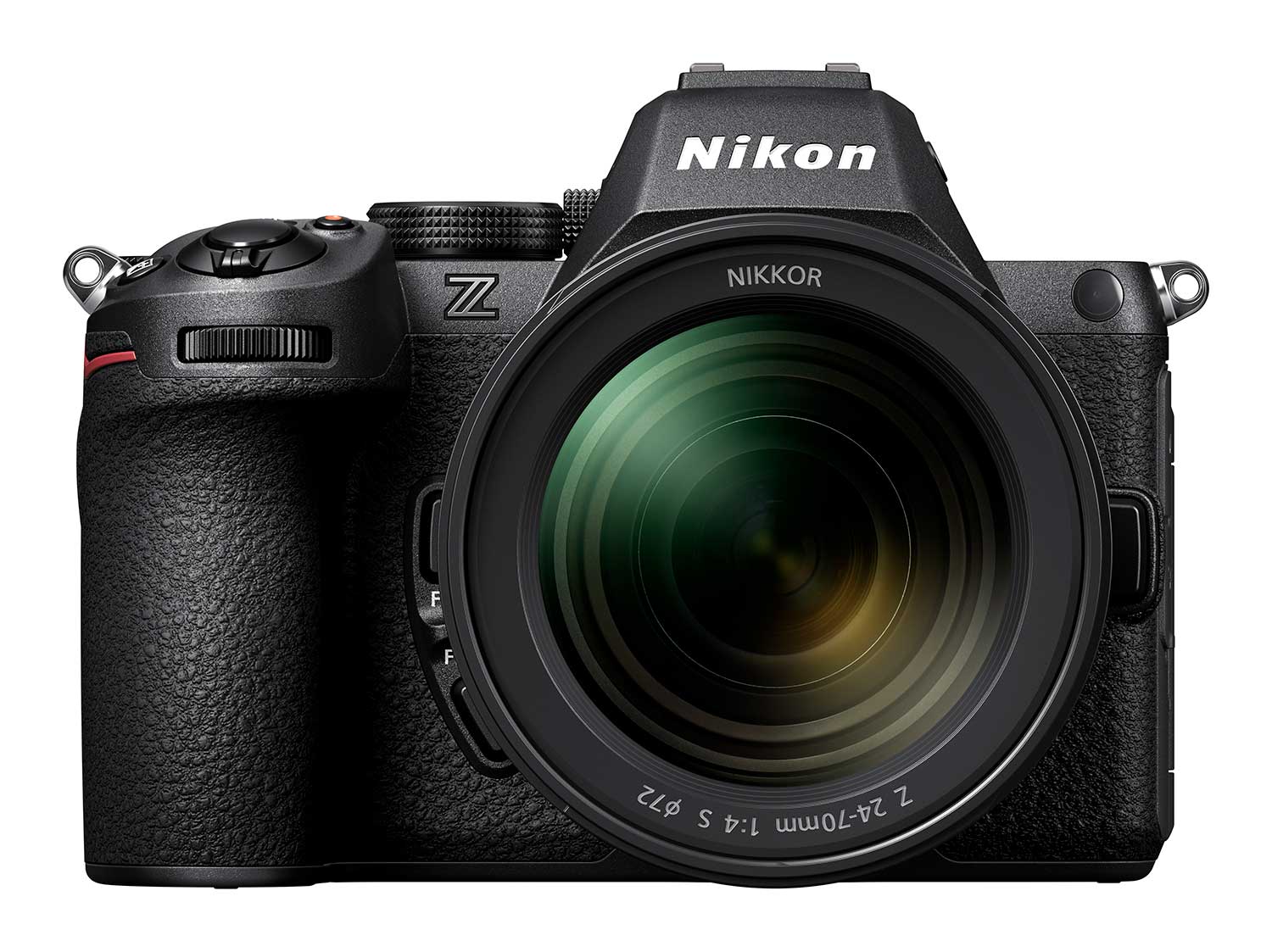
For outdoor photographers who want the depth, dynamic range, and creative flexibility of a full-frame sensor without paying flagship prices, Nikon has just made the decision a lot easier. The newly announced Nikon Z5 II brings the same EXPEED 7 image processor found in the Z8 and Z9 down to an entry-level FX-format body priced at $1,700. That's the kind of spec hand-me-down that genuinely changes what a budget full-frame camera can do.
AI-Powered Autofocus That Keeps Up Outdoors
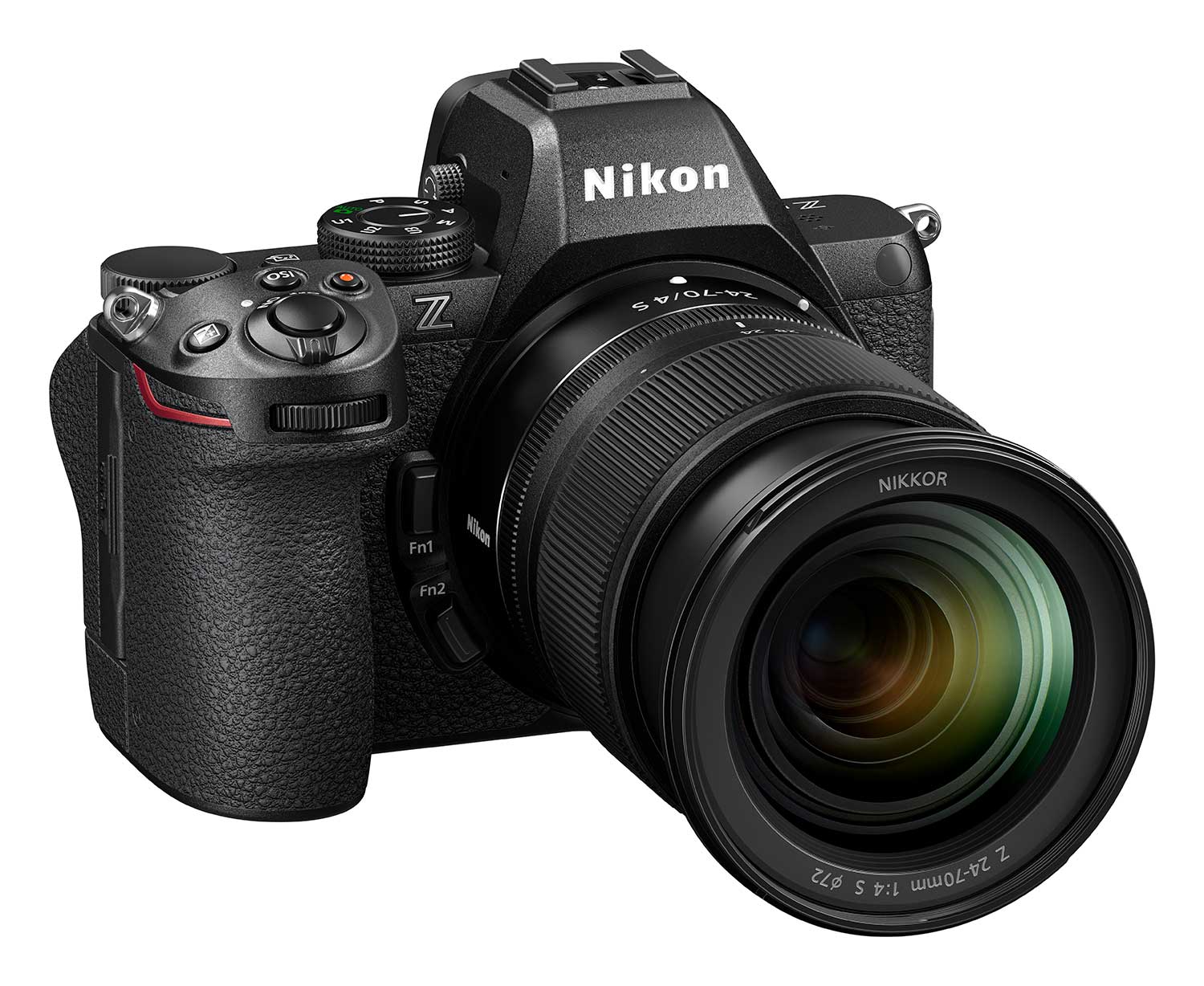
The standout upgrade on the Z5 II is its autofocus system. Powered by the EXPEED 7 processor, the camera now supports advanced AI-driven subject detection covering birds, animals, vehicles, and people — exactly the kind of tracking you need when photographing wildlife in unpredictable conditions.
Nikon claims the Z5 II acquires focus nearly three times faster than its predecessor. A dedicated bird-detection mode is included for the first time in this price tier, which should make a real difference for anyone who has ever tried to lock focus on a small, fast-moving subject against a busy background. That's one of the hardest tasks in wildlife photography, and even a modest improvement in keeper rate translates directly into more usable images from a day in the field.
Low-Light Performance for Landscape and Night Work
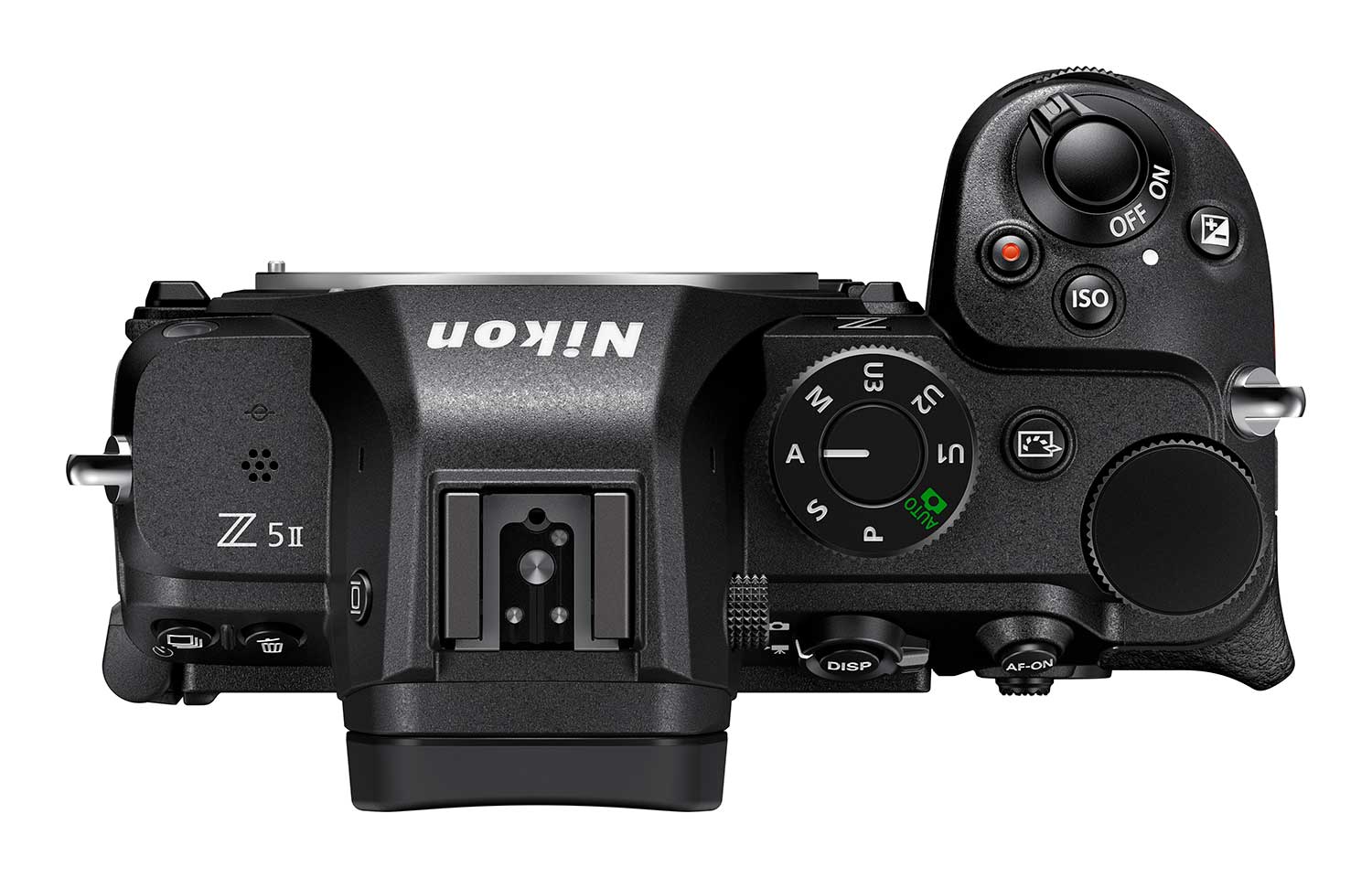
The Z5 II is built around a 24.5-megapixel back-illuminated (BSI) CMOS sensor. BSI technology improves light-gathering efficiency by moving the wiring layer behind the photodiodes, which typically results in cleaner high-ISO files and better shadow detail. For outdoor photographers, that matters most at the edges of the day — sunrise landscapes, twilight wildlife, and long-exposure astrophotography — where you're pushing the sensor into territory that separates capable cameras from noisy ones.
Dynamic range at base ISO should be solid, and the BSI design means you can lift shadows in post-processing with less noise penalty than you'd expect at this price point. If you regularly shoot in dim forest light or on overcast days, that's a meaningful advantage.
Creative Controls and In-Camera Customization
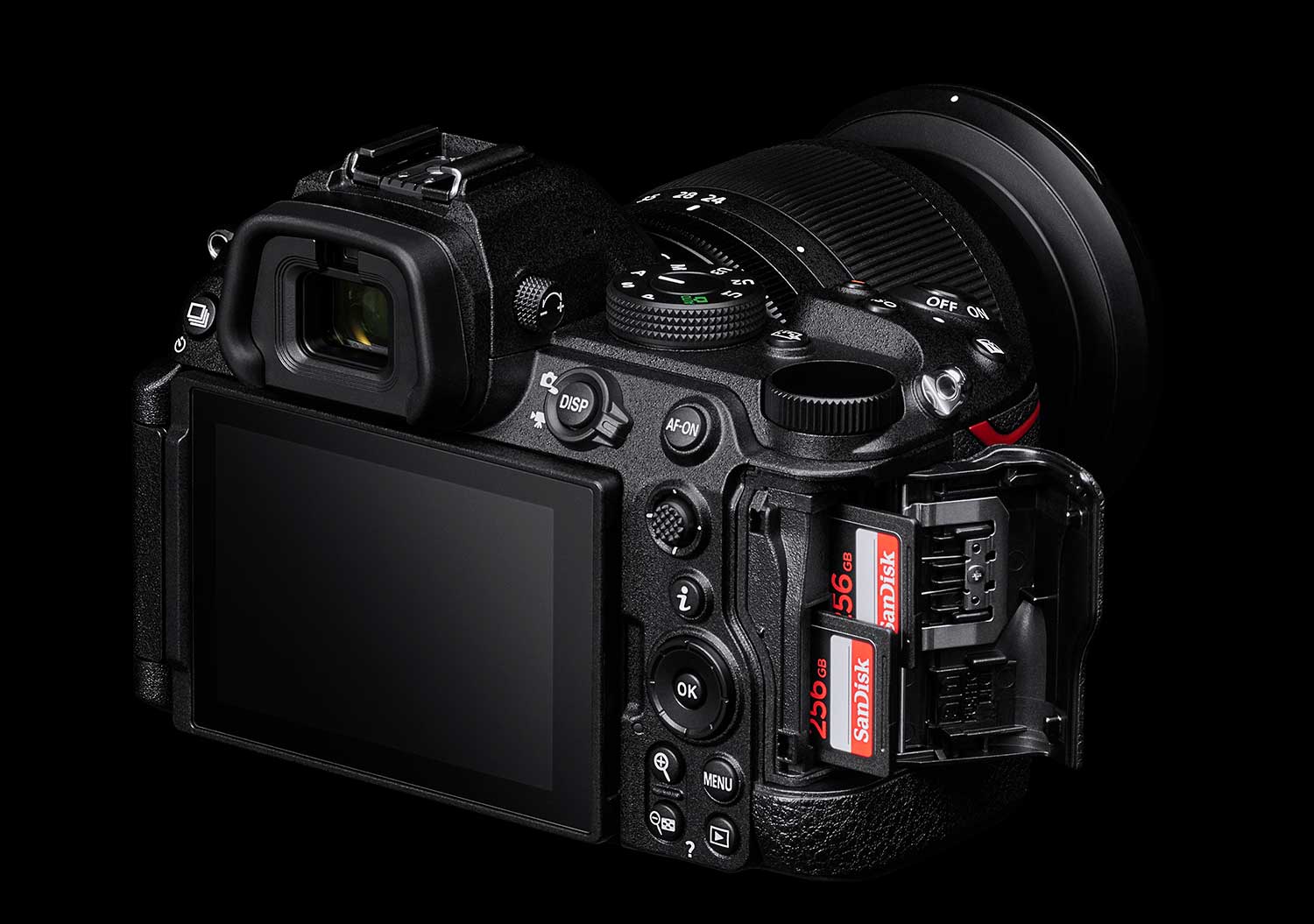
Nikon has added several creative tools to the Z5 II that speed up field workflow and expand what you can do without a computer:
- A dedicated Picture Control button for one-touch access to color profiles
- Imaging Recipes and Flexible Color Picture Controls for film-inspired looks and precise color tuning
- The brightest electronic viewfinder in its class, designed to give you a more accurate preview of exposure and color before pressing the shutter
These features might sound like conveniences, but a bright, accurate EVF is one of those things that quietly improves every single shot you take. If you can trust what you see in the viewfinder, you spend less time chimping at the rear screen and more time staying connected to the scene.
Real-World First Impressions
At the WPPI trade show in Las Vegas, the Z5 II was tested in a deliberately challenging environment — a dim, neon-saturated KISS tribute museum arcade — to see how the autofocus and image quality held up under mixed, harsh lighting.
The results were encouraging. Focus locked onto subjects and eyes quickly even under LED-heavy, low-contrast conditions. Image quality remained sharp despite the difficult color casts, and the camera's ergonomics stood out: a comfortable grip, well-placed physical controls, and an intuitive menu system that photographers working quickly in the field will appreciate.
Practical Tips for Shooting with the Z5 II
- Pair it with Nikon's Z 24-120mm f/4 S for a versatile outdoor kit that handles landscapes, environmental portraits, and detail shots with minimal lens changes.
- Use the bird-detection AF mode in AF-C with a wide-area tracking box for the best results on fast-moving wildlife.
- Shoot at ISO 3200–6400 confidently — the BSI sensor and EXPEED 7 processing should deliver clean files at higher sensitivities than the original Z5.
- Set up the Picture Control button to toggle between a natural profile and a high-contrast B&W preset for quick creative previews in the field.
- Bring extra batteries for cold-weather shooting — mirrorless bodies drain faster in low temperatures, and the Z5 II uses the same EN-EL15c battery as other Nikon Z cameras.
Conclusion
The Nikon Z5 II takes the formula that made the original Z5 a popular entry-level full-frame option and sharpens it where it counts most for outdoor photography: faster autofocus, better low-light handling, and smarter subject tracking — all powered by the same processor that drives Nikon's professional bodies. At $1,700, it sits in a sweet spot that makes full-frame image quality genuinely accessible without asking you to compromise on the features that make a camera enjoyable to use in real outdoor conditions.
Frequently Asked Questions
Is the Nikon Z5 II weather-sealed for outdoor use? Yes. Like the original Z5, the Z5 II features weather sealing throughout the body. It's designed to handle dust, light rain, and cold temperatures — all conditions outdoor photographers regularly encounter. It's not fully waterproof, so use a rain cover in heavy downpours.
How does the Z5 II compare to the Nikon Z6 III? The Z6 III sits above the Z5 II in Nikon's lineup with a higher-resolution sensor, faster burst shooting, and more advanced video capabilities. The Z5 II is the value-oriented choice — it uses the same processor and shares much of the same AF intelligence at a significantly lower price. For photographers who don't need the Z6 III's extra speed or video specs, the savings are substantial.
What lenses pair best with the Z5 II for outdoor photography? The Nikon Z 24-120mm f/4 S is the ideal all-around lens for landscapes and general outdoor work. For wildlife, the Z 100-400mm f/4.5-5.6 VR S offers excellent reach and image stabilization. Budget-conscious shooters should look at the Z 24-70mm f/4 S as a compact, sharp, and affordable starter option.
Can the Z5 II handle fast action and sports? It's competent but not built for professional sports work. The improved autofocus and EXPEED 7 processor make it far more capable than the original Z5 for moderate action — birds in flight, running wildlife, kids' sports — but burst rates are lower than what you'd get from a Z8 or Z9.
Is the Z5 II a good choice for someone switching from a crop-sensor DSLR? Yes. The transition from a crop-sensor DSLR to a full-frame mirrorless system is one of the most common upgrade paths in photography, and the Z5 II is priced to make that jump realistic. You'll gain significantly better low-light performance, shallower depth of field control, and access to Nikon's growing Z-mount lens system.